Servinn needed a smart, scalable mobile platform that could connect users with verified local service professionals — fast, reliably, and securely. Here's how we built it and what it delivered.
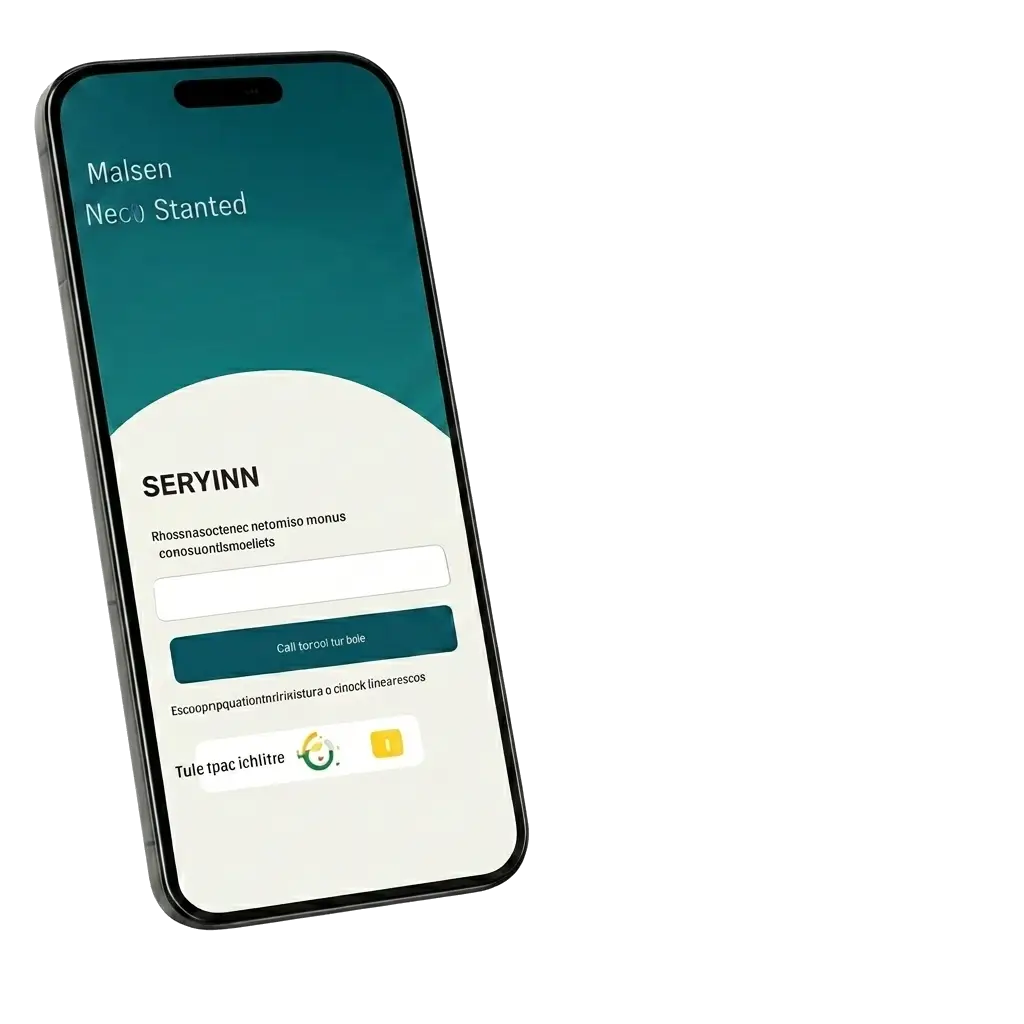
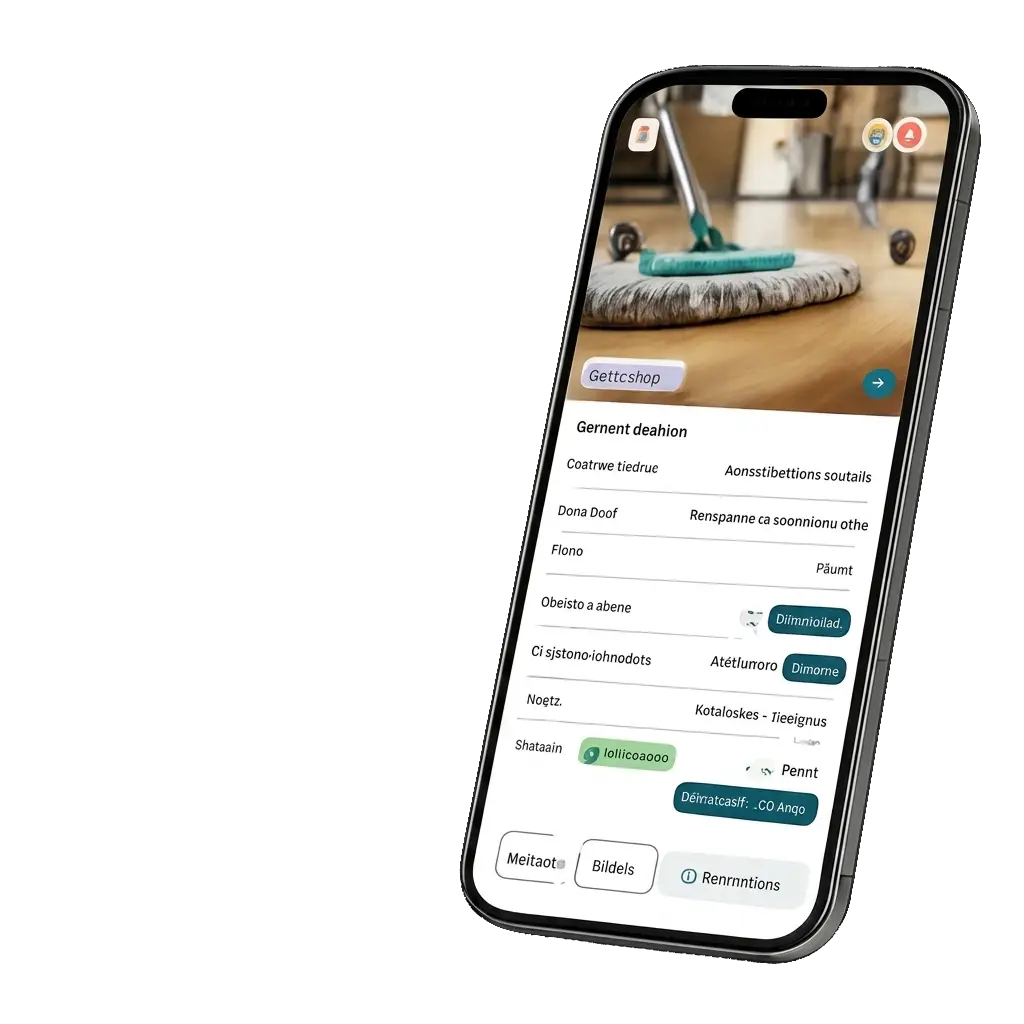
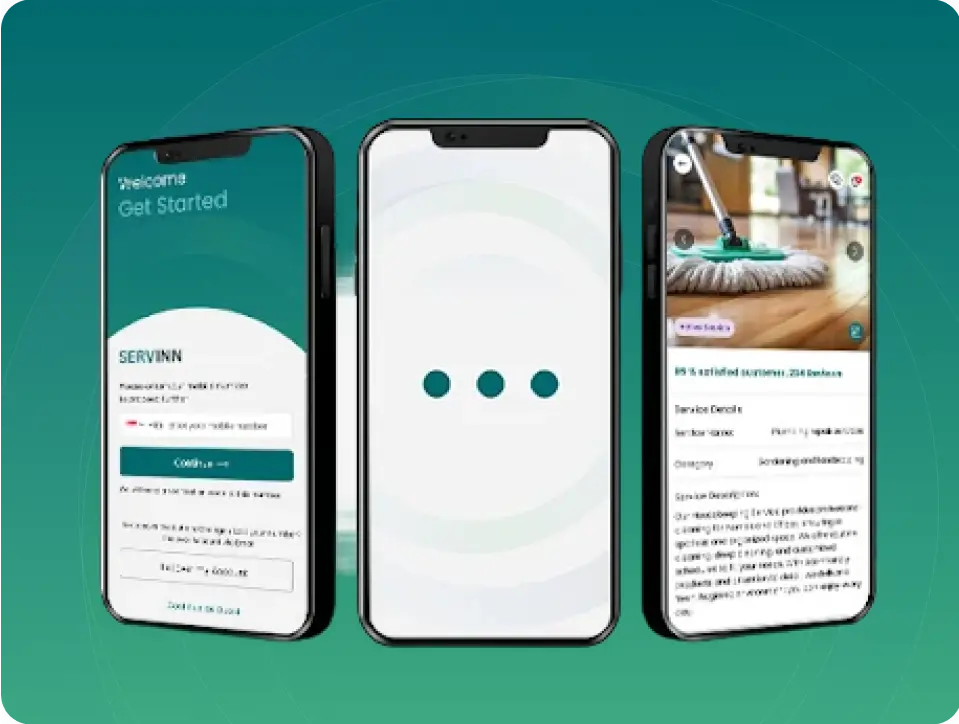


Finding a trustworthy local professional — a plumber, a tutor, a cleaner — is still a frustrating experience in most markets. Users rely on word of mouth or unverified directories. Providers have no reliable way to build a digital presence or manage bookings. Servinn came to Matrix Media with a clear ambition: fix this, at scale, on mobile.
The market was flooded with unverified listings. Users had no way to validate credentials, reviews, or reliability before booking. A single bad experience destroys retention.
Managing real-time bookings, live communication, multi-provider scheduling, and payments across categories — all within a single mobile app — required an architecture designed for complexity from Day 1, not bolted on later.
Handling payments and personal data in a two-sided marketplace creates compounding security obligations. One vulnerability affects both sides of the platform simultaneously.
We ran this engagement across five structured phases — from discovery to post-launch optimisation. Here's what each phase delivered.
We ran a 2-week discovery sprint with the Servinn founders — mapping user journeys for both consumers and service providers, auditing competitor products, and defining the full feature set for Version 1. The output: a validated product roadmap and technical architecture blueprint before a line of code was written.
SOur design team built full UX wireframes and an interactive prototype across both user flows — consumer booking and provider management. The prototype was tested with [X] real users before development began, identifying [X] UX changes that would have required expensive rework post-build.
We built a recommendation engine that matches users to providers based on location, availability, service category, verified rating, and historical booking behaviour. The result: [X]% of users find a match within [X] seconds of opening the app.
WebSocket-based messaging enables live communication between users and providers. Firebase Cloud Messaging handles push notifications for booking confirmations, status updates, and reminders. The architecture was load-tested to [X] concurrent sessions before launch.
A multi-step provider verification system — document upload, credential check, video verification — ensures only qualified professionals reach users. End-to-end encryption, 2FA, and a unified payment gateway API supporting multiple payment methods and local preferences were built to enterprise security standards from the ground up.
These are the numbers that matter — not the features we shipped, but the outcomes the platform delivered.
User retention rate at 90 days post-launch
Average app store rating (iOS + Android combined)
Average time to find and match a verified provider
Successful payment transaction rate
Security incidents since launch
Month-on-month provider sign-up growth in the first quarter
Matrix Media Solutions (P) Ltd. completed the MVP, launched the iOS version, and prepared the Android version for release. The client saw increased delivery velocity and stabilized costs. The team demonstrated structured project management and a friendly, approachable manner.




 Mobile App Development
 AI & Intelligent Automation
 UI/UX Design
 Cyber Security
 QA & Testing
Matrix Media Solutions (P) Ltd. completed the MVP, launched the iOS version, and prepared the Android version for release. The client saw increased delivery velocity and stabilized costs. The team demonstrated structured project management and a friendly, approachable manner.
Mobile App Development
AI & Intelligent Automation
UI/UX Design
Cyber Security
QA & Testing
Whether you're at idea stage or ready to rebuild — we'll map the right product architecture for your market in a free strategy session.